


Robust infrastructure – primary and backup power supplies, along with a diesel generator power plant, ensure stable operation under any scenario.

Secure environment – physical isolation and full redundancy, built-in security services, and an architecture compliant with ISO and the Comprehensive System of Information Protection (CSIP).

Fast deployment – infrastructure for a quick start with a customized configuration tailored to your needs, starting from 100 workspaces.

Flexible configuration – administrators can scale resources up or down or release unused capacity at any time.
What Is CDI
Cloud Desktop Infrastructure (CDI) is a modern approach to organizing workspaces based on Virtual Desktop Infrastructure (VDI) technology. All workspaces operate in a virtual environment, and their performance can be flexibly scaled according to specific business needs.



• Companies with remote teams.
• Businesses that require high-performance workspaces.
• Organizations with increased IT security requirements that aim to reduce hardware costs.
-
Turnkey deploymentA ready-to-use infrastructure with a customized configuration starting from 100 workspaces.
-
Centralized management and securityManage the solution from a single control point. Data in the dedicated cloud environment never leaves the secure data center perimeter.
-
Customized solutionIntegration of a tailored solution adapted to your existing infrastructure.
-
Virtual GPU supportImplementation of virtual GPU (vGPU) scenarios for graphics-intensive and resource-demanding workloads.
Ready-to-use CDI environment
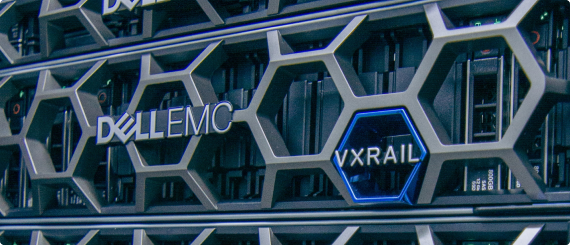
Compute resources, networking, and the virtualization platform hosted in a secure data center environment with continuous operation
Management platform
A single console for administration, user access management, and control of virtual desktop resources
Licenses and software
All licenses required to use the CDI service are included. Any specialized software to be installed is provided by the customer
Support and maintenance
Technical support and consulting for setup and ongoing management, delivered by the data center’s certified team
-
Access control. Secure access for employees and centralized management of user permissions.
-
From CAPEX to OPEX. No large upfront hardware investments – pay only for actual usage
-
Reduced downtime risks. All updates, maintenance, and configuration are performed centrally
-
Single management center. Manage offices, branches, and remote teams from any location
-
Fast deployment. Quick onboarding of teams without the need to purchase or prepare hardware
-
Device unification. Work from any device within a single secure environment
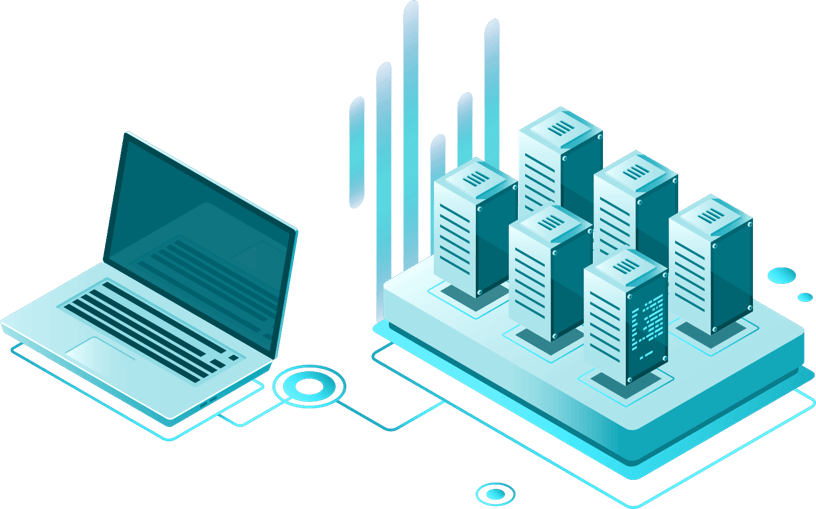
VDI is used when there is a need to centralize work environments, simplify management, and reduce dependence on the capabilities of physical PCs.
Yes. Work environments are created and decommissioned centrally, without the need to purchase or replace hardware.
For end users, it functions as a standard work environment. For IT teams, maintenance requires less manual effort thanks to centralized management.
The VDI service is built on the Omnissa Horizon 8 platform, which provides centralized management of virtual work environments and users.
Data and work environments are stored and processed within the data center infrastructure. Access is centrally controlled, reducing the risk of data leakage or unauthorized use.
 Sales department: